New national health organization formed: AAOSH

November 11th, 2010

AMERICAN ACADEMY FOR ORAL SYSTEMIC HEALTH

Local dentist attends founding meeting   

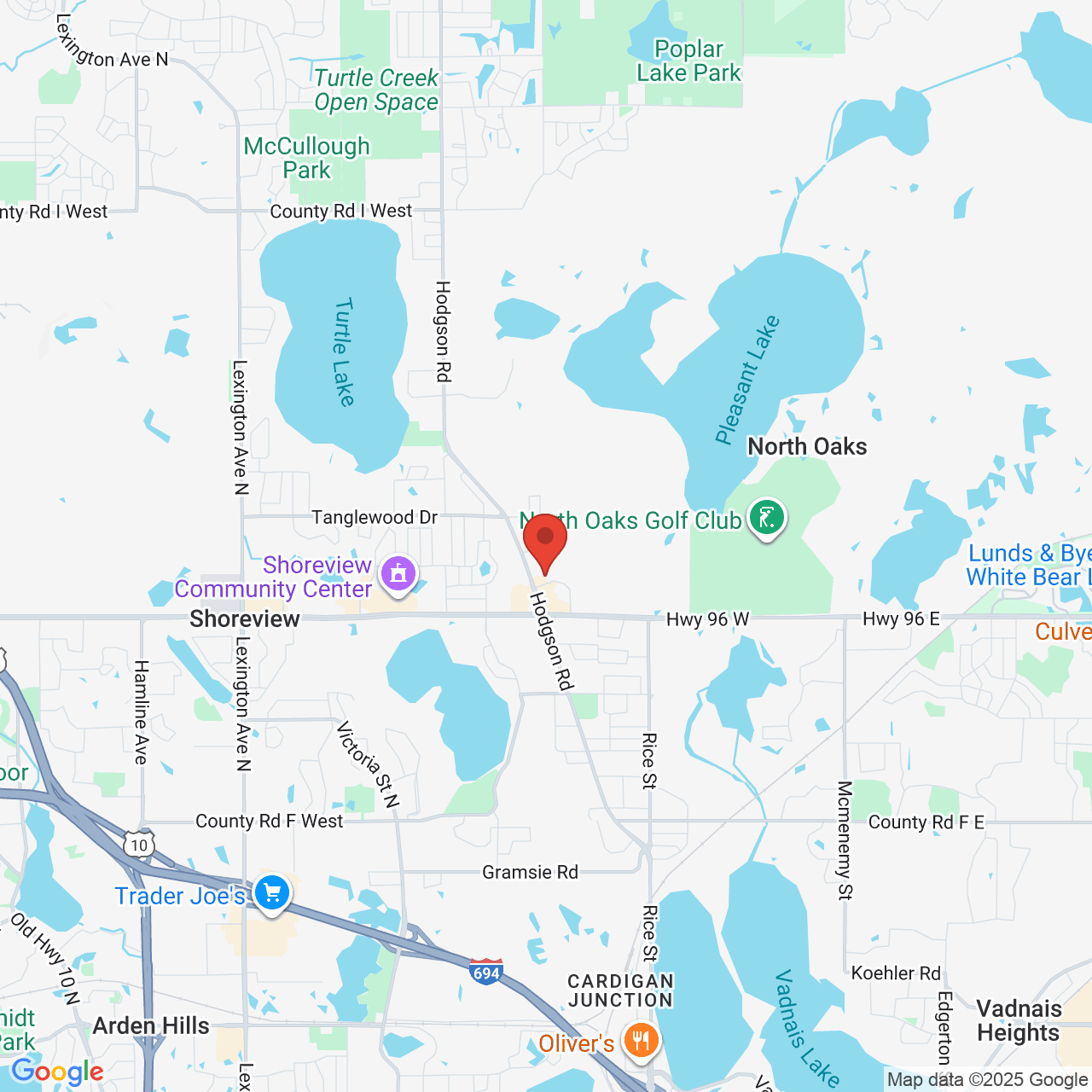
North Oaks, Minnesota –  Dr. Steve Gorman just returned from Madison, Wisconsin, where dental leaders from all over the country convened over the weekend to hold the founding meeting for the American Academy for Oral Systemic Health (AAOSH).

“The formation of this organization could not have come at a better time,” says  Dr. Gorman. “More and more research just keeps pouring in that confirms all the connections between the health of the mouth and the resulting health of the body.”

The newly-inaugurated AAOSH will bring together medical professionals from all fields and try to eliminate the tunnel vision that can exist between medical specialties.  Members will commit themselves to working and learning together in the ultimate spirit of cooperation so that patients everywhere can enjoy the resulting benefits of improved general health, healing, longevity and wellness.

“When dentists and physicians work together, medical outcomes will be improved and lives will be lengthened,” states AAOSH President Dr. Chris Kammer. “Many people still don’t understand that good dental health can add years to your life, so one of our missions is to educate the public as well.”

Several nationally-known clinicians who attended the meeting gave presentations on the latest findings related to the seriousness of oral disease in America.  One speaker revealed how a couple was not able to conceive a child until the mother’s rampant gum infection was put under control.  Another speaker discussed how diabetes can make gum disease worsen, but that gum disease can also make diabetes worse – a vicious “circle of death” unless dentists and physicians unite and intervene.

In addition, advanced dental techniques and systems for treating periodontal disease and tooth decay were shared, as well as an extended program on the importance of nutrition.

The new organization has 50 founding members and anticipates rapid growth as more and more professionals absorb the data that demonstrates the relationship of mouth health to body health and vice versa.

“We’re excited about finally working closely with cardiologists, diabetic specialists, obstetricians and many more medical specialties,” explains Dr. Gorman.  “AAOSH is all about opening those doors of communication and offering to help, so that we can contribute to the improved health for the patients we share.”

What are the signs and symptoms of Periodontal (Gum) Disease?

October 7th, 2010

What is periodontal disease?

Periodontal disease is an infection caused by bacteria and plaque.  In its earliest stage it is called gingivitis and is both preventable and reversible. The disease progresses silently, often without pain or obvious symptoms that would alert you to its presence.

 Warning Signs of Gum Disease

  • Gums that bleed when brushed or flossed 
  • Red, swollen or tender gums   
  • Chronic bad breath or bad taste
  • Calculus/Tartar around teeth (hard creamy brown masses on the teeth)
  • Detachment of the gums from your teeth
  • Pus that appears from your gum line
  • Teeth that have become loose or changed positions
  • Any change in the way your teeth fit together when you bite

 How does it develop? 

Plaque, a colorless sticky coating that forms on your teeth and root surfaces underneath the tissue, creates a by-product called bacterial biofilm.  The biofilm then causes a bacterial infection and inflammation in your gum tissue that deteriorates and destroys the gum and bone around your teeth.  This causes the gums to pull away from your teeth, forming a pocket that will become filled with more plaque. The disease, now referred to as periodontal disease, has caused irreversible damage.  It is through this inflammation that we experience the damaging effects associated with bacteria passing into the blood stream and possibly affecting other organ systems.

 Additional Risk Factors for the Development of Periodontal Disease

  • Smoking leads to 4x greater risk
  • Previous Heart Disease or Stroke   
  • Stress
  • Diabetes
  • Excessive Bite Forces
  • Suppressed Immune System
  • Inflammatory Diseases (Lupus, Fibromyalgia, Rheumatoid Arthritis, Lichen Planus)

If you have any of these symptoms or notice bleeding while brushing or flossing please consult with your hygienist regarding treatment options.

When is tooth preparation vs. no preparation necessary for Porcelain Veneers?

September 30th, 2010

Porcelain veneers were first introduced in the early 1980’s and presented as something we could do for our patients by simply adding them to the fronts of teeth; without anesthetic and without removing any tooth structure.  While this worked in some select cases, it was a very small percentage with most cases looking oversized, bulky and unnatural.

Over 25 years of perfecting the art and science of aesthetic dentistry, we have discovered ways to make porcelain veneers look like beautiful natural teeth with depth of color, proper shape and inclination, color zones like natural teeth, translucency to the edge, and surface texture and anatomy polished to look like natural teeth.

In most cases, room must be created by minor tooth preparation for the veneer, so when placed, it will create contours of a beautiful natural tooth.

There are some very good indications for doing veneers without having to prepare the teeth.  The so-called “thin veneer” has been developed for these situations.  The best indications for these are when the front teeth could use a little more “prominence” in the smile, and if the teeth seem a little “set back” in the mouth. Also, if the teeth are small and/or have spaces, the no prep veneers can be a good choice if they do not add too much prominence in the front.  We don’t want to create bulky teeth or a “buck tooth” look.

 Still, most veneers do require some preparation of tooth structure.  There are many reasons:

  • Changing the color of teeth
  • Making color consistent in multiple teeth
  • Changing the shapes of teeth
  • Changing the size of teeth; width, length or depth
  • Closing spaces between teeth
  • Restoring worn tooth structure–usually the edges of front teeth
  • Improving bite function in front teeth, providing proper function in back teeth
  • Making crowded teeth appear straight, also known as “instant orthodontics”
  • Building out a narrowed arch to create a fuller, beautiful, flowing smile.
  • Improving improper inclinations of teeth

How are Porcelain Veneers used in Dentistry?

September 23rd, 2010

Porcelain veneers have been a wonderful addition to our options for conservatively restoring teeth in dentistry, especially in cosmetic/aesthetic dentistry.

Porcelain veneers were originally designed to cover the fronts of front teeth without having to do anything to the natural tooth.  This technique was used to improve shapes, but more commonly to improve color.  This can work wonderfully for some cases.

In working with porcelain veneers for over 25 years, we’ve learned that in most cases some room must be created by minor preparation of the teeth, so when the veneers are placed, natural contours of beautiful teeth are the result.

Porcelain veneers are used as a conservative approach to:

  • Changing the color of teeth
  • Making the color consistent in multiple teeth
  • Changing the shapes of teeth
  • Changing the size of teeth; width, length, or depth
  • Closing spaces between teeth
  • Restoring worn tooth structure–usually the edges of front teeth
  • Improving bite function in the front teeth, providing proper function in back teeth
  • Making crowded teeth appear straight, also known as “instant orthodontics”
  • Building out a narrowed arch to create a fuller, beautiful, flowing smile
  • Improving improper inclinations of teeth        

The ideal porcelain veneer creates a tooth that does not look like a dental restoration. It looks like a beautiful natural tooth with depth of color, proper shape and inclination, color zones in the tooth like natural teeth, translucency on the edge and surface texture with surface anatomy to look like a natural tooth.

It should not look like an oversized, refrigerator-white chicklet!